Peat, also known as peat moss or sphagnum moss, is often used in gardening products like potting mixes. While these terms are used interchangeably, they all refer to the same material: moss harvested from peatlands, or muskegs. Despite its popularity, peat is not nutrient-rich. Its primary function in soil is to retain moisture and create air pockets that support root growth.
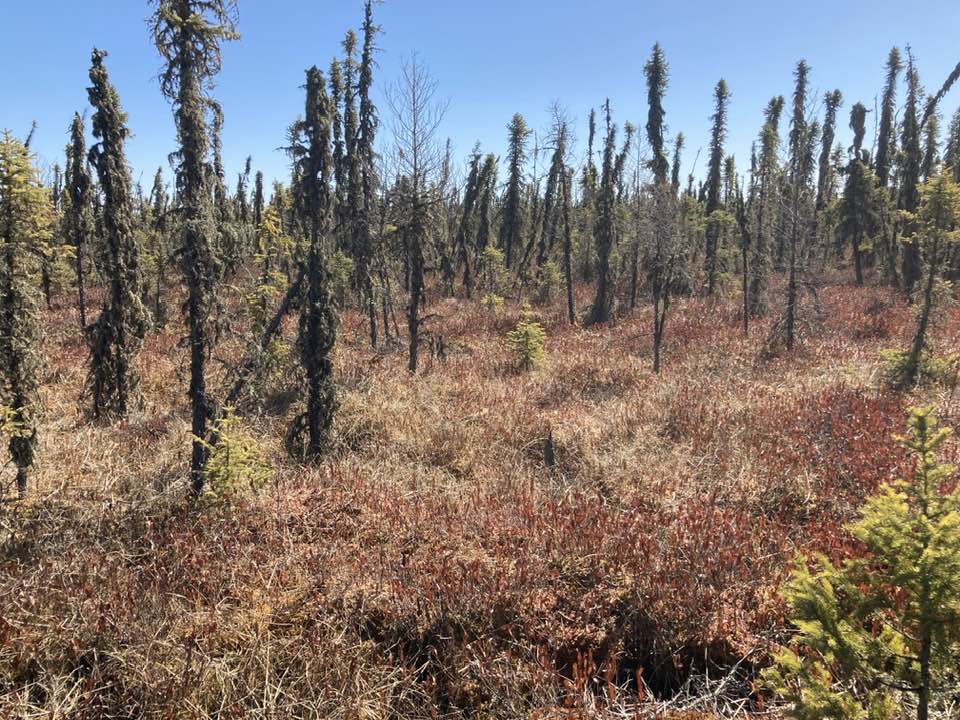
Muskegs form over thousands of years in cool, wet climates where poor drainage and slow decomposition allow plant material—especially sphagnum moss—to accumulate and become peat. These ecosystems often develop in areas shaped by glacial retreat, where water collects and remains trapped due to permafrost, clay, or bedrock.
Regeneration of muskegs is an extremely slow process. It can take centuries to millennia for peat to accumulate just a few centimeters, making muskegs effectively non-renewable on human timescales. Once destroyed, these ancient landscapes may never fully recover.
Peat has been widely used in horticulture, but growing awareness of its environmental impact has led many to question this practice. As we learn more about the ecological and cultural importance of peatlands—especially their role in carbon storage and their significance to Indigenous communities—it’s clear that we need to rethink how and why we use peat.
As you plan your spring garden, ask your garden centers and greenhouses to bring in PEAT-FREE products. It’s one of the most effective ways to reduce demand for peat and protect our vital muskegs.
Using peat in our gardens may seem harmless, but it comes at a steep environmental cost. Harvesting peat destroys entire ecosystems, displaces wildlife, damages watersheds, and releases stored carbon—contributing significantly to greenhouse gas emissions. All this, just to improve soil moisture in our gardens. It’s time to rethink our choices and protect the peatlands.
“Peatlands globally sequester more than twice as much carbon as all the world’s forest combined. They are a powerhouse when it comes to nature-based climate solutions. It’s a no-brainer. If we’re trying to mitigate climate change and account for climate sinks and protecting them, then protecting peatlands is number one.”
Nearly all harvested peat ends up in the horticultural industry, used in potting mixes for growers and gardeners. But this convenience comes at a high cost: we’re dismantling ancient ecosystems to artificially create new ones.
Peat cannot be extracted without destroying the bogs it comes from—wetlands that have taken thousands of years to form. These rich, biodiverse environments are home to carnivorous plants, berries, frogs, salamanders, moose, beavers, woodland caribou, and countless birds and insects. Once a peat bog is harvested, it may never recover.
Beyond habitat loss, peat extraction releases massive amounts of carbon stored in these natural sinks, contributing to climate change. It also disrupts water systems, leading to altered watersheds, increased flooding, and the degradation of local waterways—affecting both wildlife and communities. All this damage, when effective peat-free alternatives are readily available.
 For Peat's Sake